
The Pitlochry Festival Theatre, Port-Na-Craig, Pitlochry, Perthshire
History - Opening - Scotland's 'Theatre in the Hills' by John Offord - John Stewart's Obituary
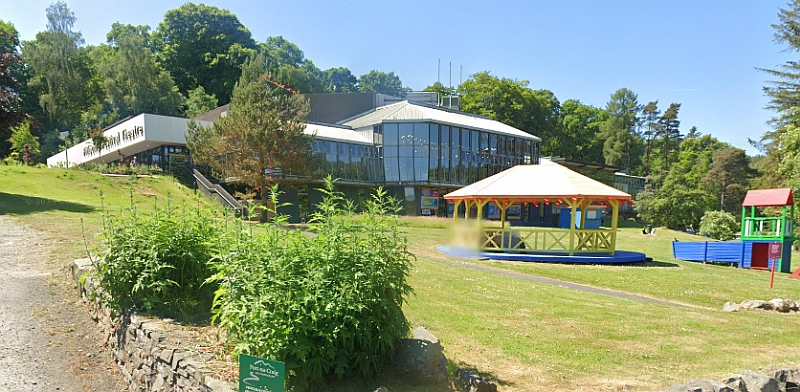
Above - A Google StreetView Image showing the Pitlochry Festival Theatre in June 2023 - Click to Interact.

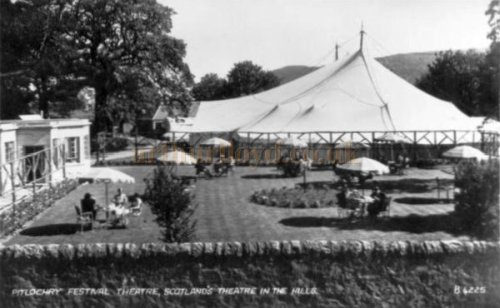
 Sitting on the banks of the River Tummel at Pitlochry in Perthshire, the Pitlochry Festival Theatre continues as a professional repertory theatre for seasons in each year. It opened there on the 19th of May 1951, firstly as a tented theatre, the brainchild of John Stewart of Glasgow, from the family who owned Skerry's Colleges throughout Britain.
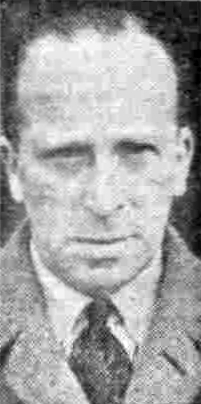
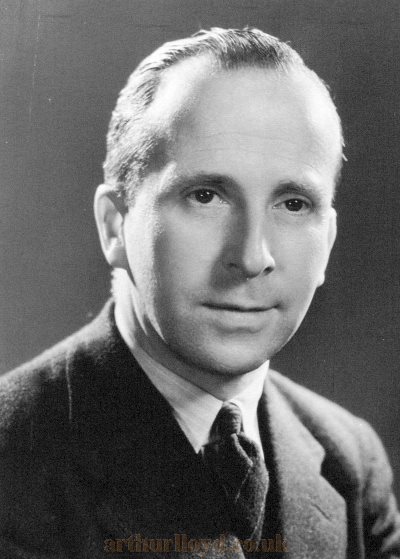
Right - A Photograph of John Stewart, founder of the Pitlochry Festival Theatre - From the Dundee Courier, 29th of November 1951.
 Stewart had started and operated the Park Theatre in 16 Woodside Terrace, near Charing Cross, Glasgow from 1941 to 1949 and wished to continue, but theatre-building was not a priority in the city as it recovered from wartime, and building materials were not available.
Left - A Postcard showing the original Tented Festival Theatre, Pitlochry - Courtesy Graeme Smith.
The Park Theatre had emanated from the Curtain Theatre in the townhouse next door at no.15 Woodside Terrace, which began in 1933.
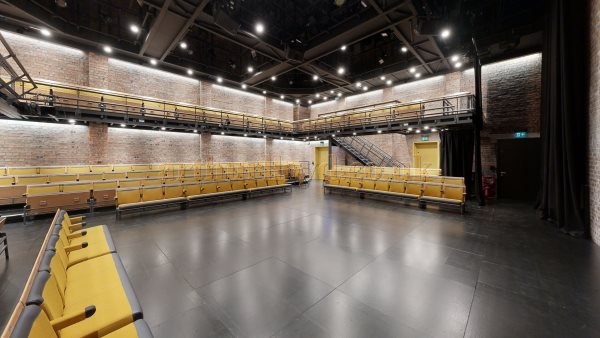 The Festival Theatre's scenic location in Pitlochry and play successes for all generations ensured the construction of the present building, which opened on the 19th of May 1981, its auditorium seats 544. Recently a Theatre Studio has also been added, seating 172, shown right.
Right - The Studio Theatre at the Pitlochry Festival Theatre - Courtesy Theatreplan, who were responsible for the technical aspects to the venue.
You may like to visit the Theatre's own Website here, and they also have a full history of the Theatre here.
The above article on the Pitlochry Festival Theatre was kindly written for this site by Graeme Smith in 2025.
More information on the Pitlochry Festival Theatre and an Obituary for John Stewart can be seen below.
If you have any more information or Images for this Theatre that you are willing to share please Contact me.
The Pitlochry Festival Theatre Opening
From the Dundee Courier, 16th of May 1951

Above - An Article on the Opening of the Pitlochry Festival Theatre - From the Dundee Courier, 16th of May 1951.

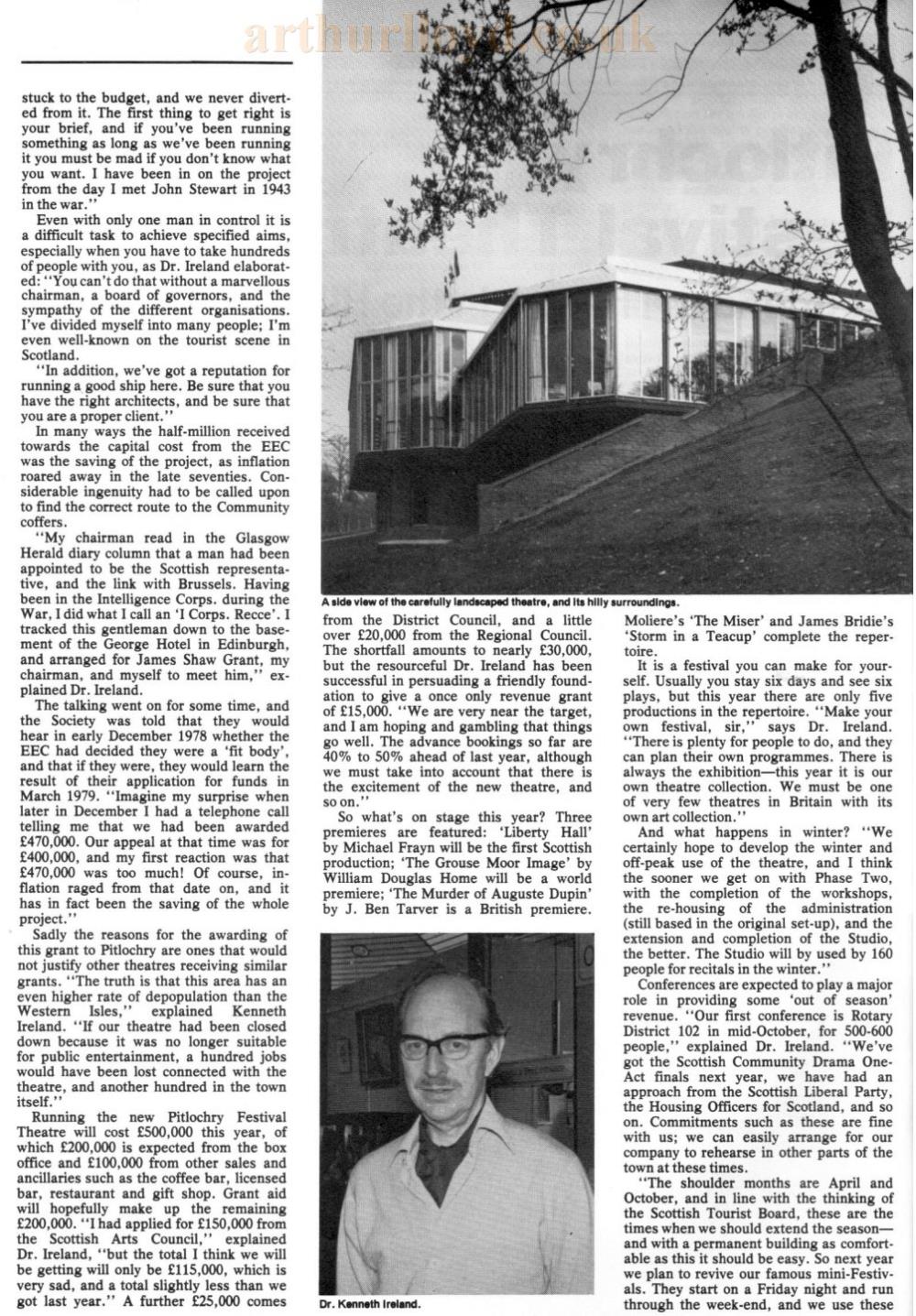
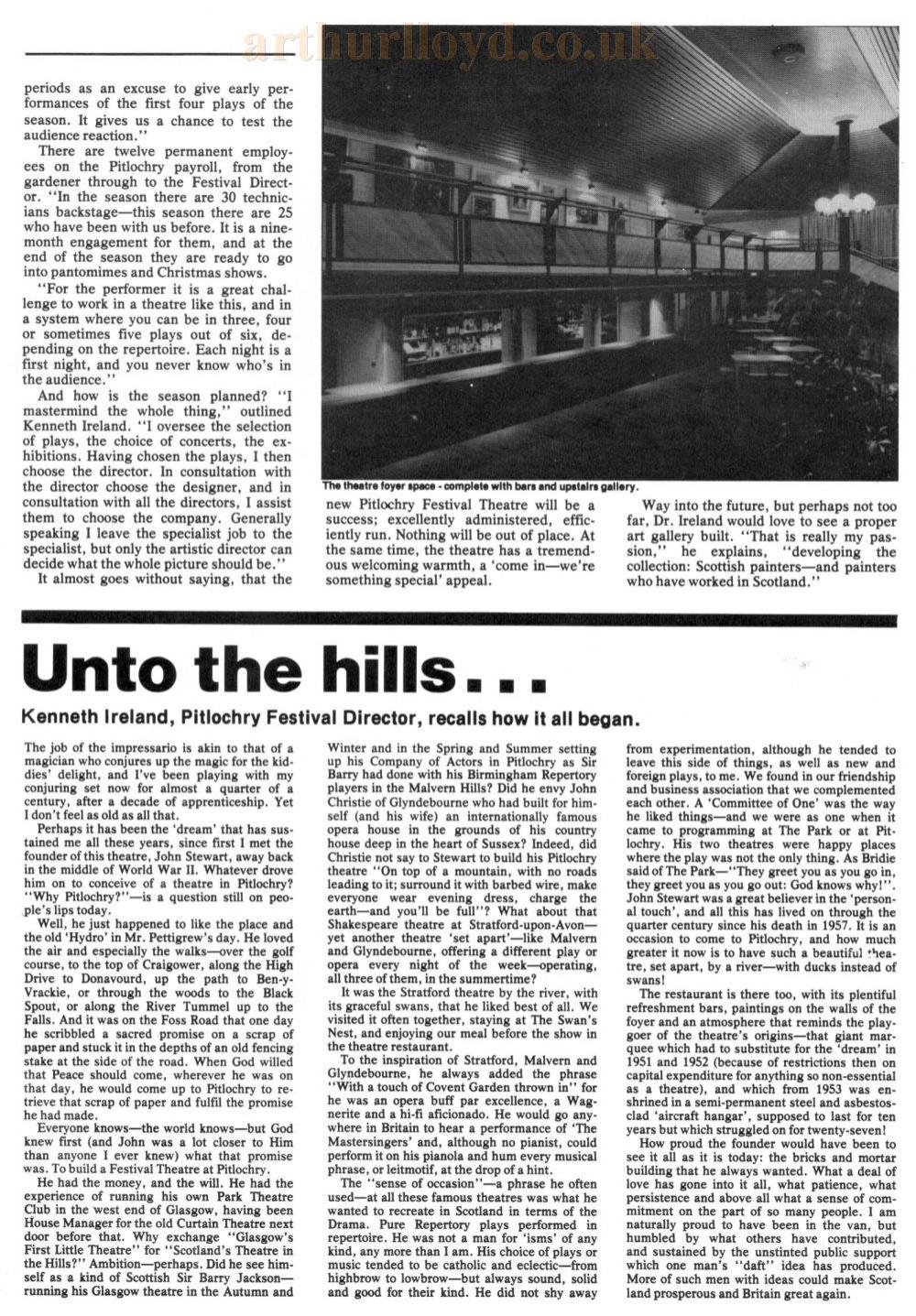


Above - Scotland's 'Theatre in the Hills' by John Offord - From 'Entertainment & Arts Management' June 1981, reproduced here with the kind permission of John and Adrian Offord, Scans Courtesy Mike Hall.
John Stewart's Obituary
From The Scotsman, 24th of May 1957
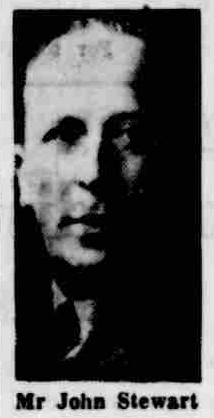 Mr John Stewart, founder and director of Pitlochry Festival Theatre, Scotland's "Theatre in the Hills," died last night in a Glasgow hospital after a short illness. The Pitlochry Festival Theatre is now in its seventh year, and Mr Stewart's work in preparing for, and organising it began soon after the closing down, in January 1949, of the Park Theatre in Glasgow. As a mark of respect, the theatre will be closed on Monday, May 27. The Performance advertised for that date will not take place. Ticket holders will be refunded on written application.
The name of John Stewart (writes our Drama Critic) will always be associated with the theatre which he founded and built in the grounds of Knockendarroch, his Pitlochry home. Though he did not live to see the full attainment of his desire, the building of a permanent theatre of bricks and mortar, he had the harder task of pioneering the venture in the face of obstacles which would have discouraged many men.
John Stewart was sustained in his enterprise by two things - a love of the theatre for its own sake and the experience he had derived from an earlier and less ambitious venture. This was his foundation of the Park Theatre in 1940. The Park was an intimate theatre of bijou proportions. constructed in the drawing-room of a Glasgow house in Woodside Terrace, yet once inside it, so admirably was it equipped, one forgot its diminutive size.
In founding the Park, Mr Stewart, to use his own words, had in mind "a non-commercial theatre, devoted to the cultural and artistic values of the stage." This he qualified by adding, as a desideratum. "good entertainment." Artistically the venture was a success, for, on the small stage of the Park, plays of more than average merit were presented for six or seven years, among them for the first time in Scotland, "The Playboy of the Western World." Moreover many of those John Stewart gathered around him at the Park permanent theatre of bricks and mortar Theatre have since become more widely known. They include Brown Derby, Robert James, Derek Walker, and Eileen Herlie.
 It was after an attempt to enlarge the Park Theatre had failed, owing to post-war restrictions on building, that Mr Stewart commenced operations at Pitlochry. Here it was his hope to create a type of theatrical enterprise quite different from that usually associated with city repertory theatres.
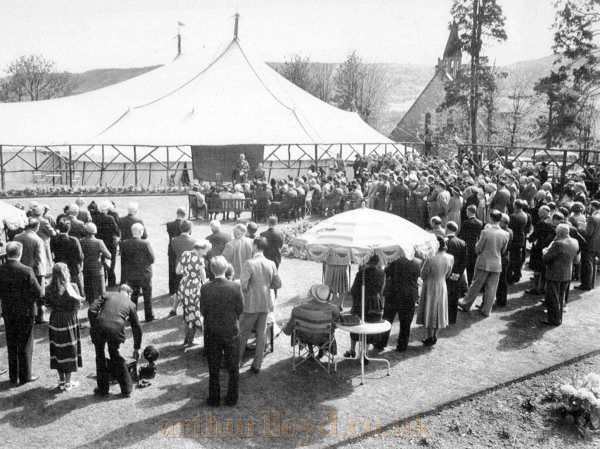
Left - The Opening of the Pitlochry Festival Theatre on the 19th of May 1951 - From a historical panel displayed in the Theatre today - Courtesy Mike McCreery and Graeme Smith.
The models were Stratford-upon-Avon and the Malvern Festival. Negotiations with the Ministry of Works were lengthy, and plans had been considerably curtailed and the cost of the scheme reduced, when., despite the unanimous approval of the Scottish Tourist Board, the Scottish Committee of the 1951 Festival of Britain, and Pitlochry Town Council, the Ministry, in March 1950, refused the application to build.
NOT DETERRED BY DECISION
 The Ministry's decision come as something of a shock, but John Stewart was not the man to be deterred by it. He believed that the nature of his scheme had been misunderstood, and two months later he was able to announce that an alternative scheme designed by him, to carry out the entire project under canvas, had been given the blessing of the Ministry.
Right - A Photograph of John Stewart - From a historical panel displayed in the Theatre today - Courtesy Mike McCreery and Graeme Smith.
In the following summer the project materialised and the theatre under the Big Top with its fan-shaped auditorium attracted considerable attention. Its position in the centre of Scotland, the already wide fame of Pitlochry as a holiday and health resort, the garden setting, were all points in its favour, and during the first season 40,000 visitors came to see the theatre, including tourists from many parts of the world.
The exertion which such a scheme entailed must have been exacting upon a man past middle age, whose health was not robust, and at the beginning of 1953 it was announced that Mr Stewart, who until then had been solely responsible for the Pitlochry Festival, had relinquished some of his responsibilities. He had sunk a great deal of money in the project, and the festival was now placed upon a guarantee basis, with the founder as artistic director. To the newly-formed guarantee society Mr Stewart made a gift amounting in cash value to £27.000.
 Last summer he had the satisfaction of seeing the festival make a financial Profit but shortly after the opening of the present season he received a severe blow when he learned of the death of his great friend Andrew Leigh, the Shakespearean actor, whose play "The Empress Maud" had had its first production at the Park.
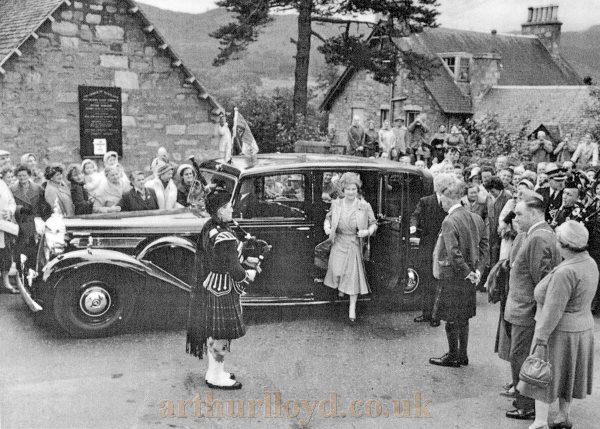
Left - HRH The Queen Mother Attending a Gala Performance at the Pitlochry Festival Theatre in 1960 - From a historical panel displayed in the Theatre today - Courtesy Mike McCreery and Graeme Smith.
He had planned to spend the winter with Leigh at a home they had Jointly acquired at Brighton. He thought the sea air might benefit his health. Leigh's death was a great blow to him. His own death followed a dental operation in Glasgow which necessitated his treatment in hospital.
Mr Stewart was formerly connected with Skerry's College, Glasgow, of which his father had been principal. He severed his connection with the college in 1945.
The above Obituary for John Stewart was first published in The Scotsman, 24th of May 1957.